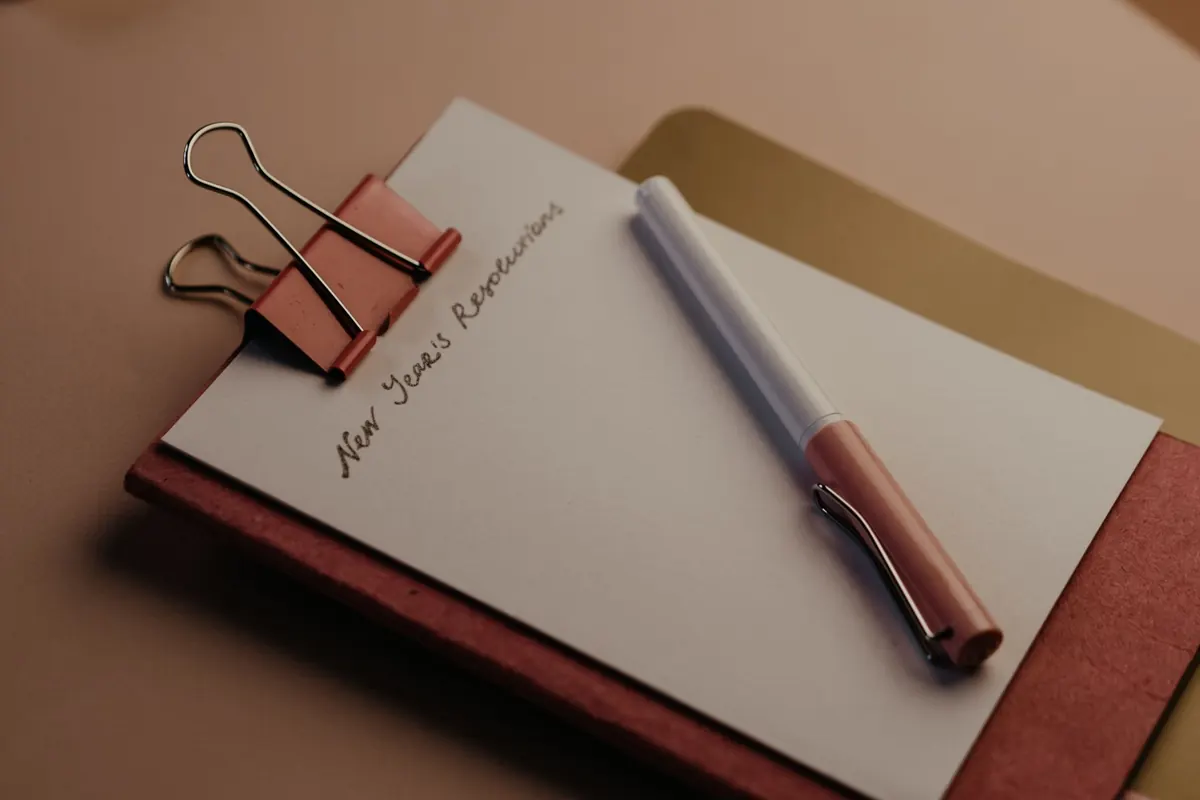
There is a moment in most weeks you would like to keep: a friend laughing mid-sentence, the smell of rain hitting hot pavement, a child explaining something with total seriousness. The phone is in your pocket and it stays there. Some moments are too quiet, too awkward, or too small to photograph, and even the pictures you do take rarely hold the part that mattered. Words do. Three sentences written the same evening can keep a kitchen, a tone of voice, a joke that would otherwise dissolve by Friday. These are six written techniques for keeping memories when there is nothing to point a camera at.
Why Words Hold What Pictures Miss
A photograph of a birthday table proves the cake existed. It will not tell you that your uncle mispronounced the name on it, or that everyone repeated the mistake for years afterwards. Words carry context, sound, temperature, and the running commentary in your head, which is usually the part you actually miss later.
Written memory is also faster than people expect. Ninety seconds, no framing, no filter, no audience. The trick is to write for one reader: yourself, eighteen months from now, slightly tired, looking for evidence that this was your life. Lower the bar until the habit can survive a bad Tuesday. A scrawled line that exists beats a beautiful page you never wrote.
Technique One: Sensory Snapshots
A sensory snapshot records a single moment through what you noticed with your body rather than what happened. It is short by design. Four or five sentences is plenty, and none of them need to be elegant.
How to write one
- Start with coordinates. Day, time, place, in half a line. "Tuesday, 7:40, bus stop."
- Choose three senses, not five. The first one that registered is usually the truest.
- Write one specific detail per sense. Not "the coffee smelled good," but "burnt coffee from the machine by the door."
- Add one line of interior weather. What you were dreading, hoping, or rehearsing in your head.
- Stop there. No summary and no lesson. Meaning arrives on its own when you reread it in a year.
Specificity is the whole job. "The light was beautiful" is a note to nobody. "The light came through the blinds in stripes across the table" brings the room back. Smell resists adjectives, so borrow a comparison from your own life: not "fresh laundry," but "the way the towels smell at my grandmother's, faintly of soap and sun."
Technique Two: Dialogue Snippets
Keep the exact words. Keep the mispronunciation, the wrong grammar, the pause in the middle of the sentence. Two to five lines is enough, initials will do for names, and the setting goes in brackets at the end so future-you knows where to put it: [kitchen, late, both overtired].
"Dogs don't need school. They already know how to be good." — at dinner, entirely serious, age six.
The words survive longer than the context. By next week you will remember that something funny happened at dinner and not one word of it, which is why writing the same day matters. Do not correct anyone's grammar, and do not tidy up the phrasing. The errors are the fingerprint.
This technique works for overheard lines too: two strangers on a train, a colleague in the corridor saying something oddly perfect. Those belong in your record as well. They mark where you were standing and what the world sounded like that month.
Technique Three: Object Stories
Pick something that has been in your life for more than a year and write its biography in five sentences: where it came from, who handed it to you, what it has survived, what is broken about it, and what should happen to it eventually. A chipped mug, a kitchen chair with a wobble, a coat with a bus ticket still in the pocket, a plastic dinosaur that outlasted childhood.
Objects are quietly dated. A mug might only have existed during one flat, one job, one relationship, and writing about it fixes that period in place without a single photograph. Photographs tend to record events; objects record the ordinary, and most of a life is ordinary. A chair that has been sat on every morning for nine years says more about those nine years than a holiday album will.
Techniques Four, Five and Six: Small Formats for Busy Days
The five-line day
At the end of the day, answer five prompts in one line each. Four minutes, no more, and it works even when nothing happened.
- One thing I heard.
- One thing I tasted or smelled.
- One thing someone said to me.
- One object I used without thinking about it.
- One thing I want to remember tomorrow.
Done daily, this fills more than eighteen hundred lines a year, and a surprising number of them are worth keeping.
The index card
Keep a stack of plain index cards and a pen in the kitchen drawer, not on a shelf you have to reach for. One moment per card, date in the corner, no paragraph longer than the card allows. The constraint is the point: about a hundred words of space means the boring parts stay out. A shoebox of cards becomes an archive you can shuffle and pull from at random, which is a better way to spend a Sunday evening than scrolling.
The return note
Once a month, write a page addressed to yourself and put a reading date on it: "Do not open until next March." Describe the current ordinary state of things — what you are worried about, what is on the table, who is around, what the weather has been doing, what you are saving for. A year later that page is not a diary entry. It is a witness statement.
Making It Stick
Keep the notebook where the moment happens. A beautiful journal on a high shelf gets written in three times. One in the coat pocket or next to the kettle gets written in constantly.
Date everything. Not for posterity, but so you can find things and see the shape of a month.
Write the same day, or accept the morning version. The texture fades first, the shape lasts longer. A next-morning entry is worth more than no entry.
Do not backfill. Skipped weeks stay skipped. Gaps in a notebook are normal and cost nothing.
Reread on purpose. Once a month, open the notebook at three random pages. This is the step that makes the writing stick, because it is where ninety seconds of effort turns into something that actually holds.
If you are writing about something difficult and it stirs up more than you expected, it is worth talking it through with someone qualified rather than pressing on alone. A journal is a good place to put a hard day; it is not a substitute for help.
Start with one technique and one week. Your camera will keep missing most of it. The notebook does not have to.
Photo: bomei615 / Pixabay